
Driving for Work: Mythbusters
52 common misconceptions – and the facts employers and drivers need to know
Myth 42: A driver’s mental health is none of the company’s business
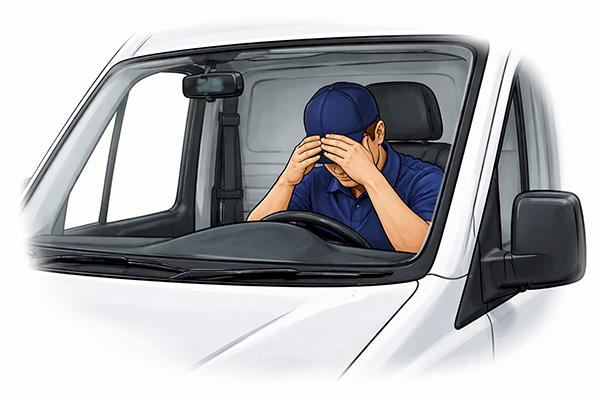
One in four people will experience a mental health problem of some kind each year and one in six people report experiencing a common mental health problem (like anxiety and depression) in any given week.
Our changing moods and emotions can influence our decision making and driving behaviours. It’s important to recognise how we feel before we get behind the wheel and to be realistic about whether you are ‘fit to drive’.
Mental health conditions including depression, anxiety, and stress, can significantly impair driving performance, affecting concentration, decision-making, reaction time, and judgement. Employers have both a duty of care to their employees’ wellbeing and a legal interest in ensuring that drivers are fit to drive.
This does not mean demanding disclosure of detailed medical information, but it does mean creating an environment where drivers feel able to raise concerns about their fitness, and where managers are trained to recognise warning signs.
Mental health is as relevant to fitness to drive as physical health, and organisations that treat it as a purely personal matter are managing only part of the risk.
Driver takeaway:
Mental health affects driving performance.
If you are struggling, be honest with yourself about whether you are fit to drive.
You do not need to share your diagnosis but you do have a responsibility to declare if you may be impaired.
Manager takeaway:
Create an environment where drivers feel safe raising mental health concerns without fear of losing their job or driving role.
Train managers to recognise warning signs. Mental health is as relevant to fitness to drive as physical health and organisations that ignore it are managing only part of their risk.