
Diet and Hydration
With thanks to Dalhia Campbell, Accredited Work-Ready Dietitian and media spokesperson for British Dietetic Association.
Even mild dehydration significantly compromises cognitive function and has been found to cause significant increases in minor driving errors. 56% of the UK public restrict their fluid intake to prevent getting 'caught out' without no access to toilets. A Mercedes Benz Vans study found that 70% of at-work drivers felt hydration was a challenge, 27% relied solely on sugary or caffeinated drinks and 10% admitted to 'weeing' on the move.
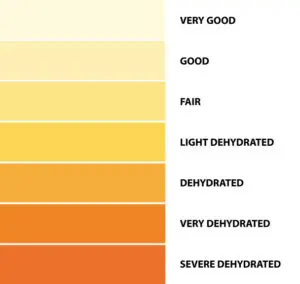
Pee charts can be a simple way to check hydration (the darker your pee the more dehydrated you are).
Drinking water little and often throughout the day keeps drivers better hydrated but also limits the need to urinate. Caffeinated drinks and sugary drinks may increase the need to urinate.
Effect on road safety
A study found that drivers in simulator tests who were mildly dehydrated made double the errors of those properly hydrated.
In fact, a 2015 study showed that dehydrated drivers make as many errors as drunk drivers.
What employers can do:
- Educate drivers about the need to stay hydrated.
- Consider providing refillable water bottles.
- Plan routes and shifts which allow for regular toilet and hydration breaks
Diet
What we eat affects our health but also how well we can focus and concentrate at work. Getting the right fuel is important. Up to 60% of what people eat is during the working (driving) day.
The British Dietetic Association (BDA) undertook a survey in 2019 asking van drivers their views and habits around eating and drinking. 95% said that healthy eating was important to them. The survey found that while 76% do take a lunch break, 41% ate in their vans.
Many HGV drivers may be reliant on truck-stop provision, which is expensive and may not present the healthiest choices.
Every driver knows the importance of putting the correct fuel and any essential additives into their vehicle. Put petrol into a diesel vehicle and you will cause serious damage to the engine. Humans have exactly the same need for the right fuel, if you want good performance and no medical breakdowns.
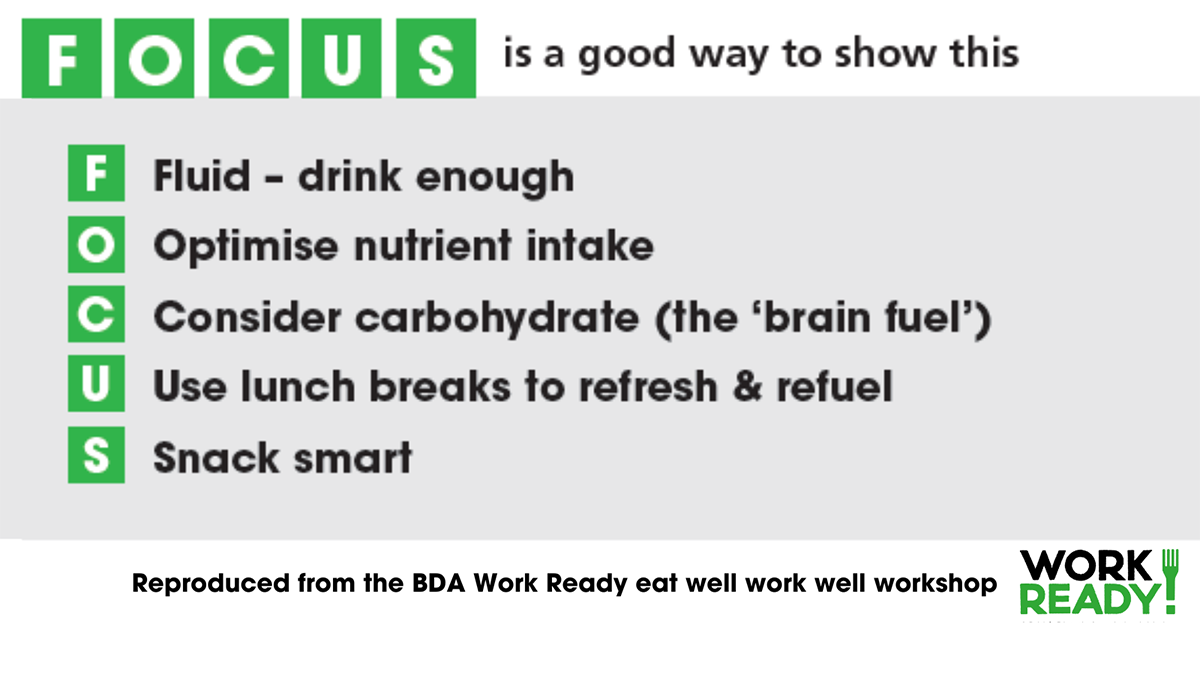
Choosing the right fuel and hydration is important for physical health, mental health and concentration.
Effect on road safety
Eating poorly will impact a driver's overall health, energy, performance and weight.
Poor nutrition affects cognitive function and focus, and may make drivers drowsy, especially in the middle of the day (or night).
The best foods to sustain drivers
The brain needs a variety of nutrients to work at its best. It also uses 20% of the body's daily energy intake.
Carbohydrate provides fuel that our body and brain need but not all carbs are equal. Refined (often 'white') carbohydrates can combine with a dip in circadian rhythms to make us sluggish and drowsy, usually about 2pm or 2am. High-fat meals like burgers, pies or fish and chips will also make drivers sluggish, as it takes a lot of time and energy to digest.
Wholegrain carbohydrates must be broken down more by the body to release their energy and so the increase in blood sugar levels is more gradual and sustains energy levels better, without peaks or troughs.
This is why eating an apple or banana is more sustaining than drinking apple juice or having a smoothie. The whole fruit makes the body work harder to release the sugar and this keeps blood sugars at a healthy, steady level.
Lean proteins (such as chicken, fish, lean meats, beans and pulses, eggs), some healthy fats (such as oily fish, uncooked olive oil or nut butters) and some fruit and vegetables should also be included in meals.

Poor driver meal
White roll with cheese and ham
Packet of crisps
Can of fizzy or sugary drink
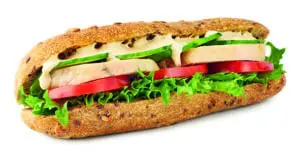
Healthier driver meal
Wholegrain seeded roll with chicken
Salad, fruit, a handful of nuts
Bottle of water
The healthier meal will sustain concentration, energy and performance much better than the first as well as aiding general good health.
Drivers can split their meal into two smaller snacks if this helps to manage their hunger and concentration better.
Fresh or dried fruit, nuts and seeds, individually wrapped cheeses and oatcakes make good snacks. A sliced apple dipped in peanut or almond butter might be more appealing and keep a driver satisfied longer than an apple by itself.
Cravings and disorders
Statistically 5% of adults over 40 have diverticulitis; 1% have coeliac disease; and 10-20% of the population has irritable bowel disease. If a driver has a diagnosis of gastro-intestinal disease, they should work with their dietician and GP to find a healthy diet which gives them the widest range of nutrition, while supporting their driving alertness.
If they have symptoms but have not yet seen a medical professional, they should do so, rather than experimenting with changes to their diet.
Insufficient or poor sleep is considered a significant risk factor for weight gain, cardiovascular disease and diabetes. This is at least partly because it disrupts the body's appetite regulation, making people feel more hungry and more likely to choose energy dense foods, high in sugar.
This is significant in light of the high levels of obesity in the UK and its links to sleep apnoea and diabetes. (See Chapter 2.)
Preparation is key
Drivers can save a lot of money and uncertainty if they take a good packed lunch with them. Portion control is important because we can easily eat too much even of 'healthy' foods. It is much cheaper and easier, and helps to maintain a healthy weight, if drivers buy the foods they need in bulk at the supermarket and then take a suitable portion to work with them.
Planning meals in advance can take a lot of the work and cost out of eating more healthily. Making extra pasta, soup or chili and veg at the weekend and taking some in a wide-necked flask for lunch is easy and cost-effective.
Soup, wholemeal sandwiches, crackers, veggie sticks with houmous, yogurt pots or tubes, prepacked or portions of cooked meats can all be handy choices. Popcorn is a high-fibre and lower-fat alternative to crisps.
The key to improvement is often small positive changes.
What employers can do
- Educate drivers about good nutrition and the effects of different foods and drinks on the body and performance. (See resources.)
- Give drivers places to keep refrigerated food, such as minifridges or cool bags.
- Encourage small changes to diet. No one enjoys feeling deprived. However, adding something healthy to what we eat is as important as removing something unhealthy. Cutting back a little on sugar, chocolate or sugary drinks in addition to adding something healthy can make a big difference to performance and health outcomes over time.
- Provide healthy foods in canteens or offices, including fruit, nuts, salads and wholegrain carbohydrates with meals.
Resources
WorkReady is a nutritional wellbeing programme for employers run by the British Dietetic Association (BDA). It provides education, training and other bespoke workplace services delivered by a registered dietitian to help organisations improve workers' health and wellbeing.
BDA workshops are also available.