
The critical role of managers in road risk leadership
While policies, technology and training all play essential roles, the single most influential factor in shaping safe driving behaviours is managerial leadership. When managers understand their responsibilities and appreciate the extent of their influence, safety performance improves. When they don’t, organisations face preventable incidents, rising costs, and increased risk exposure.
Why first notification of loss matters more than ever
What separates high performing fleets from the rest isn’t whether incidents occur, but how effectively they respond. Fast, accurate reporting is the difference between controlled outcomes and spiralling costs. Speed without accuracy is insufficient. Incomplete FNOL reports force insurers and fleet teams to chase missing information.

The myth putting car and van drivers at risk
One of the big myths in our industry is that there is no legislation that covers the duties of van and car drivers. When we run HGV fleets, we are very aware of the legislation and strive to be compliant. If we run mixed fleets, but what about our car and van drivers?

Psychological safety – how it affects fleet risk
Across the fleet sector, psychological safety is increasingly cited at conferences and in fleet safety features as a lever for reducing work-related road traffic collisions. Yet many discussions stop short of explaining how it actually influences driver behaviour and safety outcomes.

Fitness to drive & medical conditions: the legal responsibilities
Fitness to drive is defined by minimum medical standards set by the DVLA. A driver may feel broadly well, function normally day to day, and still fall outside the DVLA’s medical standards without realising it. From a road safety perspective, this creates a legal risk that exists long before it becomes visible.
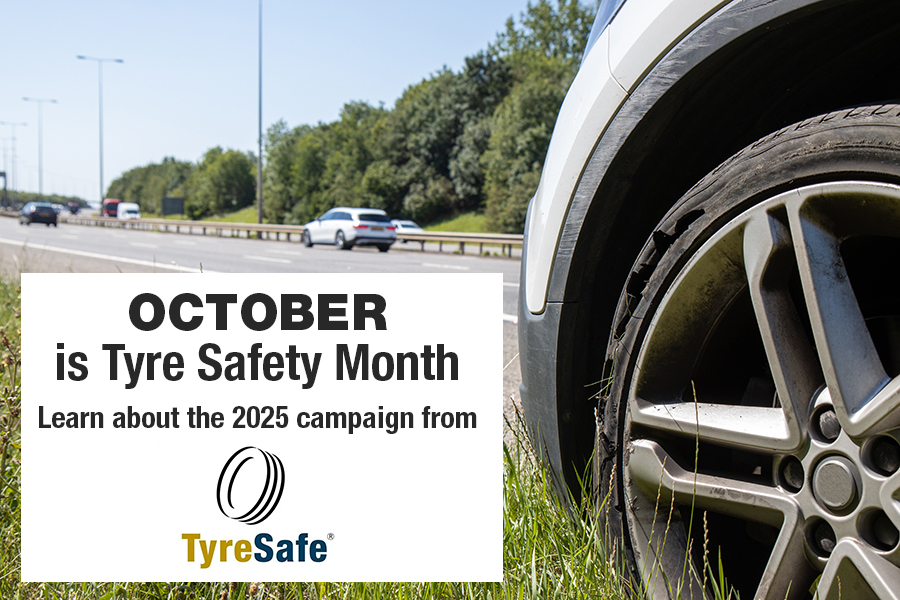
Under pressure? Don’t let tyres be one.
Tyre safety remains one of the most preventable road safety risks. With millions of vehicles covering an average of 6,082 miles per year (DfT, National Travel Survey 2025), the impact of poor tyre care is multiplied many times over. For businesses and driver managers, the message is clear - read more here.

Mental Health and Wellbeing – supporting your drivers.
Vehicle health checks are crucial before heading out on the road. They impact not only the health and safety of the driver but also other road users, yet not enough emphasis is placed on carrying out these health checks with the person controlling the vehicle; the driver.
Your drivers’ blood pressure – is it on your radar?
According to the Office for National Statistics, around 32% of UK adults have high blood pressure, yet nearly 30% of those remain undiagnosed. That’s 4–5 million people in England alone – many of whom may be behind the wheel every day.