
Driving for Work: Mythbusters
52 common misconceptions – and the facts employers and drivers need to know
Myth 11: The driver must take a call if it’s from their manager
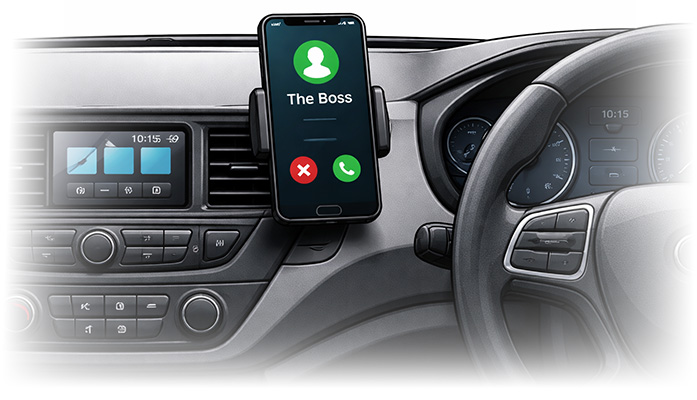
A call from a manager can actually be more dangerous than a personal call depending on the context of the conversation, particularly if the conversation becomes agitated. The brain can’t process two lots of information at once so if the manager is asking how an appointment went, or asking if another stop can be fitted into the day’s schedule, the brain will divert resources away from what the driver was doing – looking at the road – so it can process and answer the manager’s questions.
Drivers should feel empowered to let calls go to voicemail and return them when safely parked. Employers must make this expectation explicit in their mobile phone policy and in their culture and, increasingly, businesses do not expect their drivers to answer their phone while driving. A manager who becomes annoyed that a driver did not answer while driving is sending entirely the wrong message – the safest organisations are those where drivers know they will never be criticised for prioritising road safety over a phone call.
Where possible, switch mobile phones to a form of safe-driving mode – for example silent mode or switched off, and put it in your glove box out of sight. If using hands-free devices, make sure they are fully set up before starting to drive. Distracted drivers who cause death by dangerous driving face life imprisonment, an unlimited fine and an obligatory five year minimum driving ban.
Driver takeaway:
You should never be obliged to answer a call while driving.
Let it go to voicemail and call back when you’re safely parked.
No call from a manager overrides your legal and moral responsibility to drive safely.
Manager takeaway:
Make it explicit in policy and in daily culture that drivers must not answer calls while moving.
A manager who expresses frustration at a missed call while driving is undermining your entire road safety programme.
Model the behaviour you expect.