
Driving for Work: Mythbusters
52 common misconceptions – and the facts employers and drivers need to know
Myth 36: If a van is under 3.5 tonnes, the driver is exempt from most rules
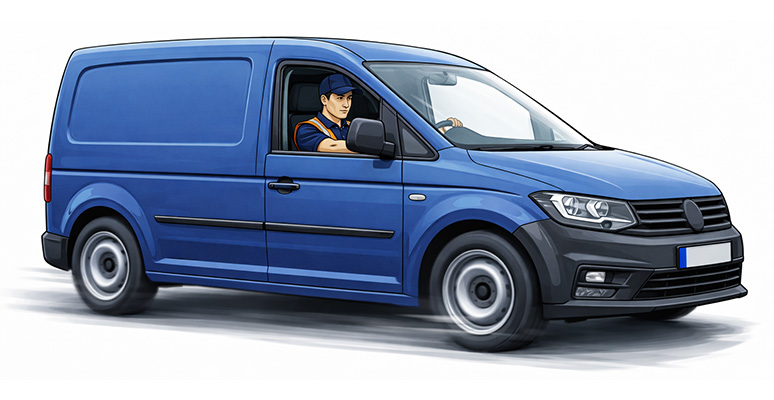
First of all, we need to understand that the 3.5-tonne limit refers to the vehicle’s Maximum Authorised Mass (MAM): the maximum legal weight permitted when fully loaded. This includes the van’s own weight plus the driver, passengers, fuel and all cargo. Exceeding this total weight on a public road is a legal offence.
The 3.5 tonne threshold is relevant for some regulations – particularly EU drivers’ hours rules – but it does not create a broad exemption from road safety obligations.
Drivers of vans with a MAM under 3.5 tonnes are still subject to domestic drivers’ hours rules, Working Time Regulations, vehicle roadworthiness requirements, load security legislation, and all standard road traffic law.
The assumption that lighter vans and their drivers operate in a largely unregulated environment is incorrect and can lead employers and drivers to underestimate their compliance obligations significantly. Each regulatory area needs to be assessed on its own terms.
Driver takeaway:
Do not assume that driving a sub-3.5-tonne van exempts you from rules.
You are still subject to GB domestic drivers’ hours, Working Time Regulations, load security law, and all standard road traffic legislation.
Manager takeaway:
Assess the regulatory requirements for every vehicle category and operation in your fleet individually. The 3.5-tonne threshold matters for some rules, but not for the majority.
Building your compliance approach around a single threshold misses most of your obligations.