
Driving for Work: Mythbusters
52 common misconceptions – and the facts employers and drivers need to know
Myth 38: I don’t need to wear a seat belt on short or slow journeys
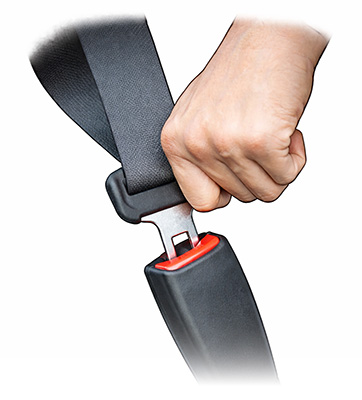
There is no journey short enough or slow enough to make a seat belt optional – the law makes no such distinction, and neither does physics. Drivers and passengers who fail to wear seat belts in both the front and rear of vehicles are breaking the law, with a fixed penalty of £100 per person, rising to £500 if the matter goes to court. In a collision, an unbelted occupant is twice as likely to die.
The idea that low-speed urban driving makes a seat belt unnecessary is contradicted by the evidence: vehicle occupants killed at night are significantly more likely not to have been wearing a seat belt, and on average more than a fifth of vehicle occupants killed in road collisions in Britain are not wearing one.
Young men are particularly likely to be inconsistent wearers. Driving in urban areas with relatively low speed limits can create a false sense of security, but the consequences of a collision, even at relatively modest speeds, can be severe for an unrestrained occupant.
The driver of the vehicle is responsible for ensuring all passengers are wearing a seat belt before setting off and should also check that headrests are correctly adjusted. Neither responsibility disappears just because the trip is local.
Driver takeaway:
Wear your seat belt on every journey, however short or slow.
Check that all passengers are belted before you move off because you are legally responsible for them. In a collision, an unbelted occupant is twice as likely to die.
Manager takeaway:
Include seat belt compliance in your driving for work policy and driver induction.
Remind drivers that they are responsible for passengers’ belts as well as their own. Consider whether dashcam or telematics data can support compliance monitoring.