
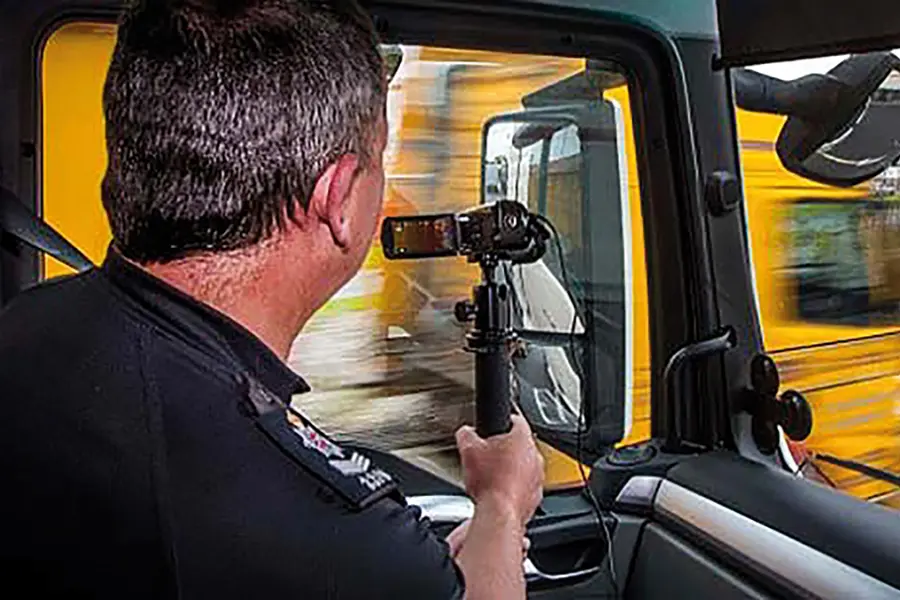
Operation Tramline – tackling dangerous driving behaviours
Operation Tramline is a road safety initiative led by National Highways in partnership with police forces in England and Wales. Using HGV cabs, officers gain a higher vantage point to identify dangerous driver behaviours on the strategic road network. Will your drivers be identified?
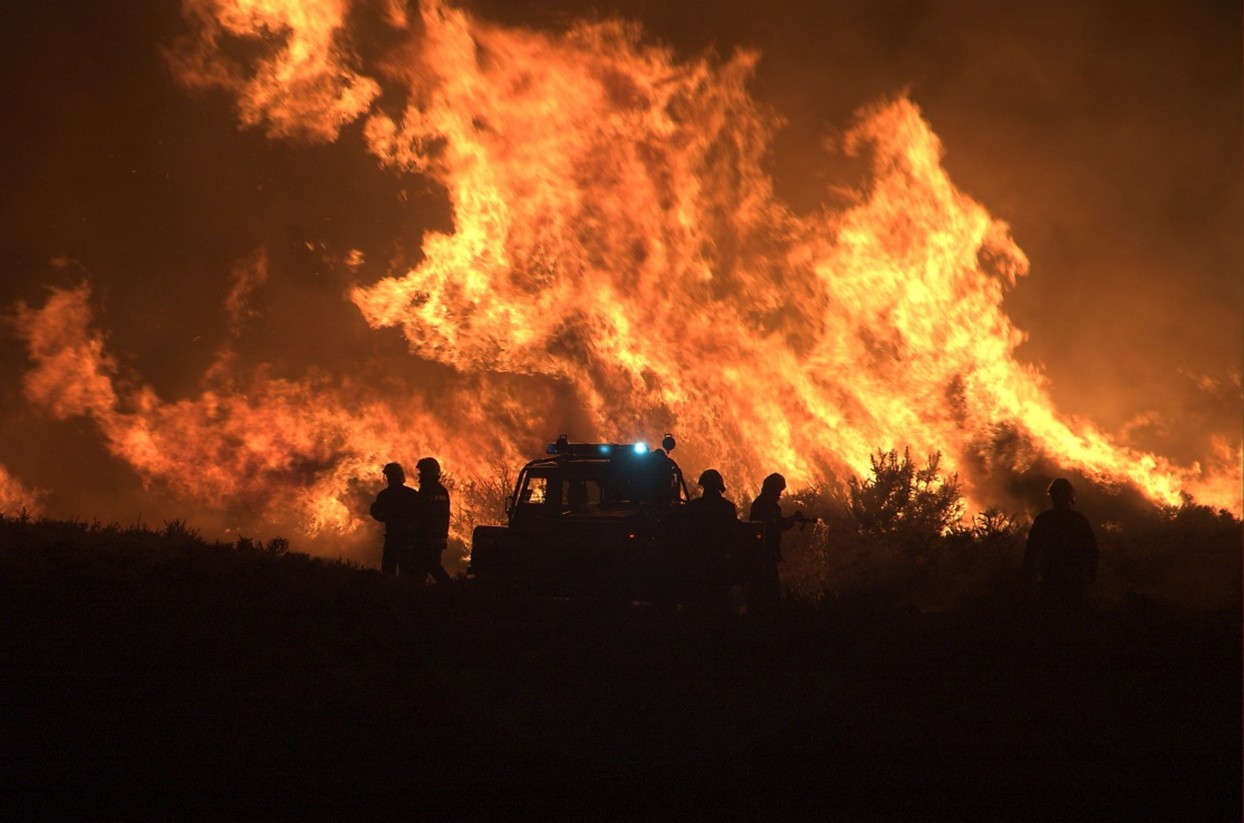
Reducing the risk of vehicle-caused wildfires
Reducing the risk of vehicle-caused wildfires. A briefing for van and truck drivers and their employers developed with support from National Fire Chiefs Council. Have you briefed your drivers on these safety critical areas? Is wildfire risk on your route risk assessment? Read our advice for employers.

Fatigue is not a driver problem – it’s a system problem
When fatigue is discussed in road safety, the advice is often simple: get more sleep. While well intentioned, this oversimplifies a complex issue. Fatigue is not solely the result of a poor night’s sleep, nor solely a driver responsibility. How should employers and managers review the systems they use?
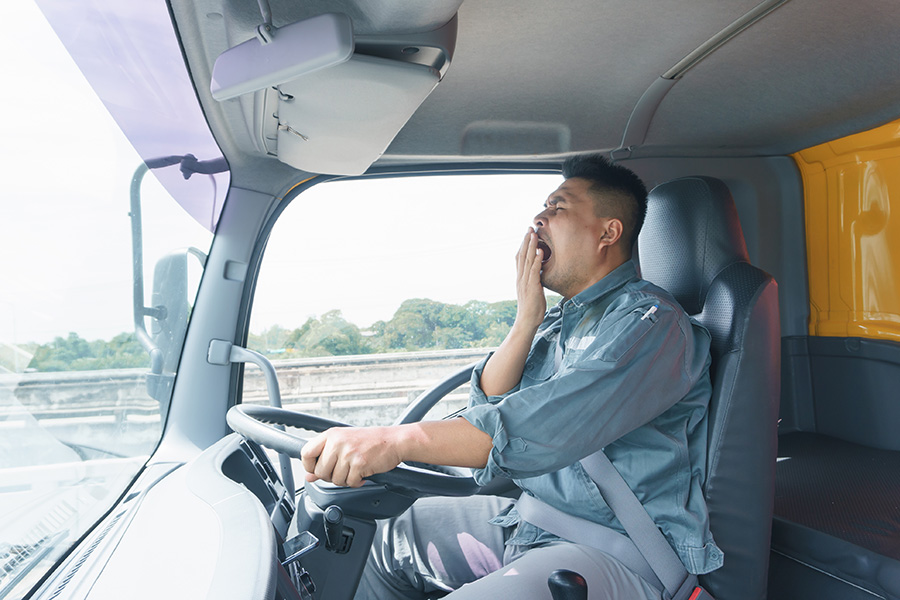
Van fleet drivers and fatigue risk: ready for July 2026?
Ask most van fleet managers whether they know how many hours their drivers are spending behind the wheel each week, and the honest answer is often: not really. Not because they do not care, but because the systems to tell them simply have not been there. That gap matters more than many businesses realise. Are you ready for the changes from 1 July 2026?
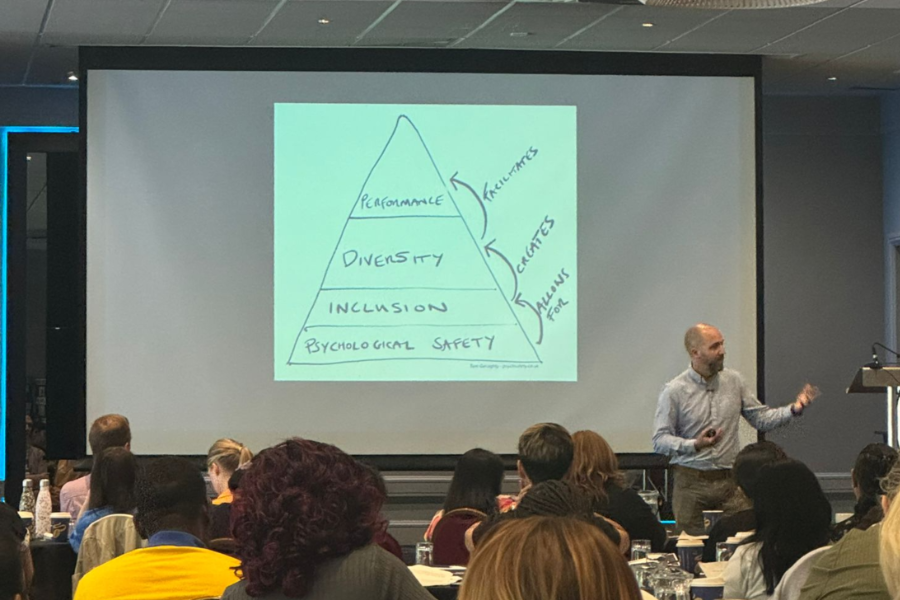
Why psychological safety matters for fleet managers
Why psychological safety matters for fleet managers. Psychological safety is not an abstract concept or an optional extra. For fleet operations, it is as essential as basic vehicle maintenance or driver training. Learn how fleet managers and those who employ drivers can build psychological safety.
The hidden driver risk: Gambling harm and road safety
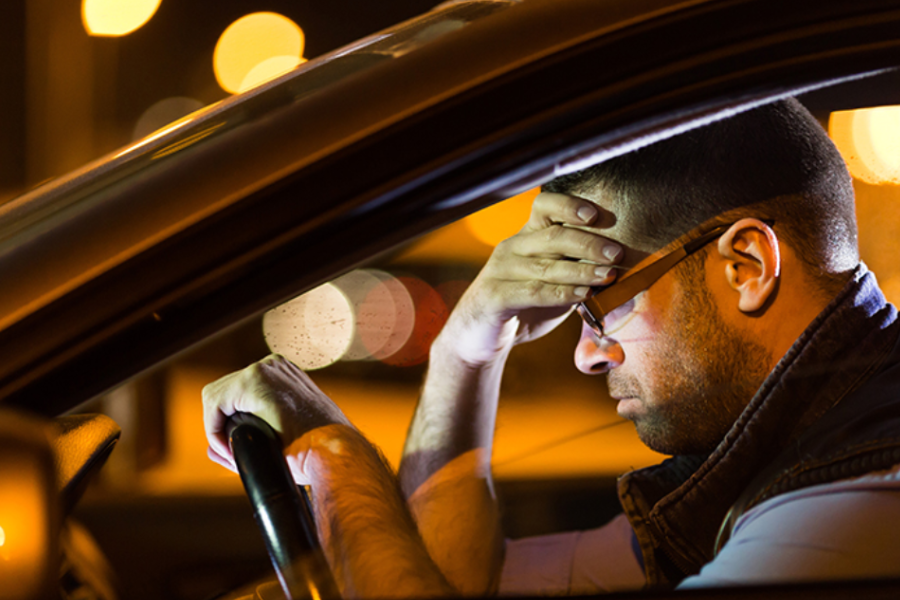
Fleet operators work hard to manage risks - fatigue, distraction and driver wellbeing. These are well established contributors to road traffic collisions. But one potential risk factor is rarely considered: gambling harm. In a recent case, a driver using online gambling sites on his phone crashed into stationary traffic. What can employers do?
Flying under the radar: Sleepiness and driver safety
You are unlikely to drive while intoxicated, due to the entirely unacceptable risk of a collision. But would you drive while sleep deprived? Probably. But research shows there is a similar risk with both. The accident risk alone associated with poor sleep is dramatic enough – 1 in 5 road traffic accidents are associated with poor sleep
Driver health: The unseen risk
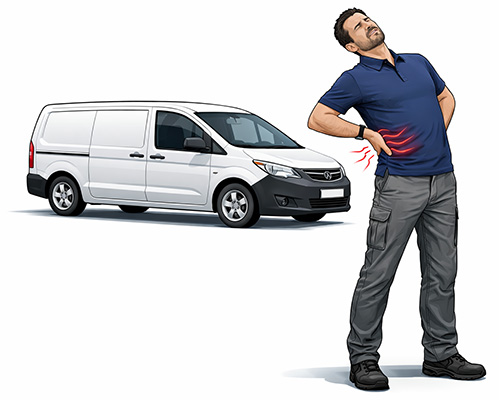
Shifting from a reactive to a proactive stance on driver health is the most powerful lever you have to improve safety. Your role is pivotal in building a culture where drivers feel supported, not just monitored. Open the Dialogue: Begin by raising awareness. Use toolbox talks and internal communications to discuss the risks of fatigue