

Menopause: the overlooked factor in work-related road risk
The best employers already manage many health-related risk factors in the workplace and, with World Menopause Day on October 18th, it seems like a good time focus on how this much under discussed topic deserves similar consideration.

Don’t let winter expose problems you didn’t catch in summer
Winter always exposes some unwelcome problems. The good news is that fleets with the right technology have a playbook to close gaps before colder conditions make them impossible to ignore. Now is the time to put it all into place, not after the first snowfall.
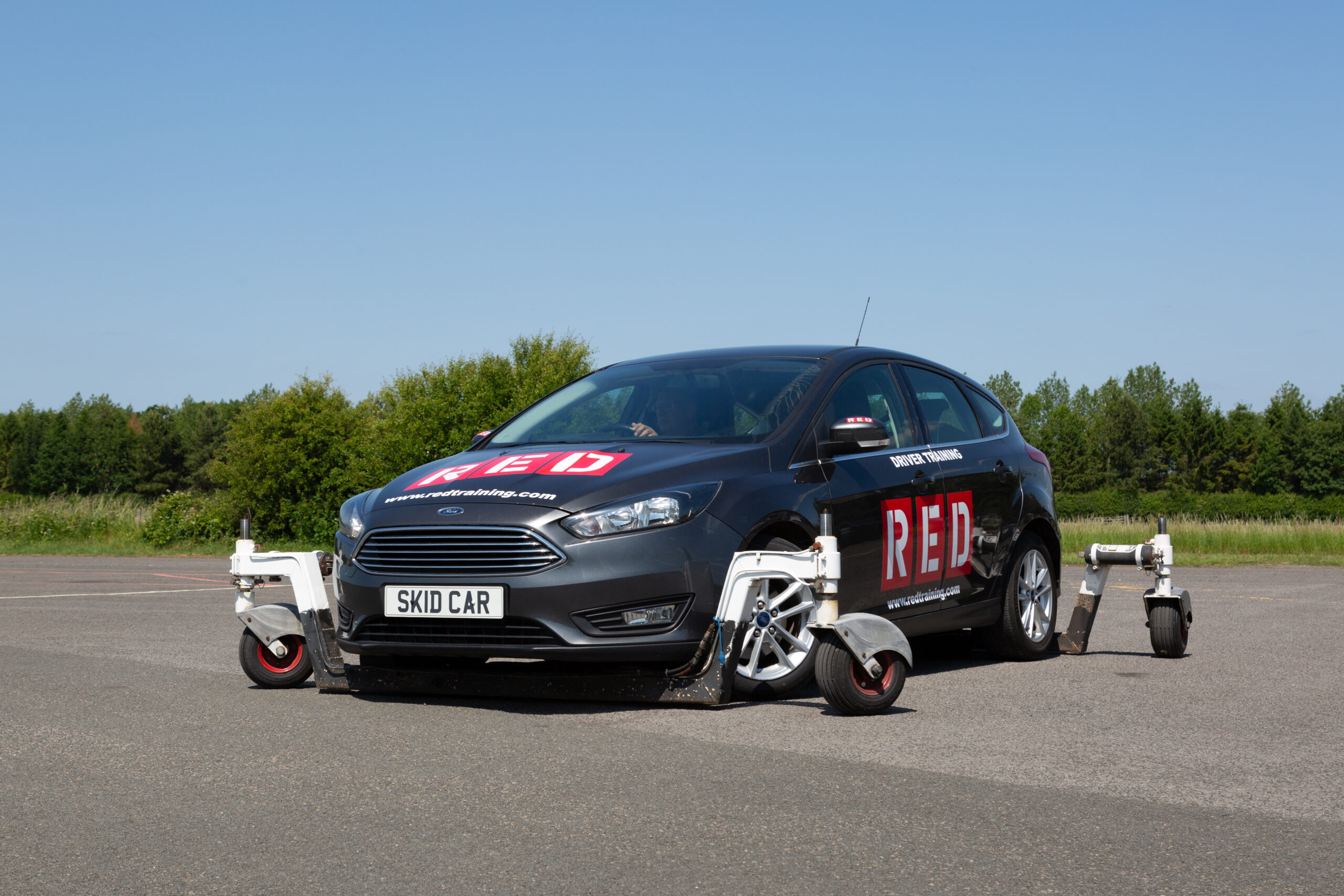
Skid avoidance and control training – winter driving
Skid control training. You can't control the weather, but you can prepare your drivers. That's where controlled, practical training helps. It lets drivers experience reduced grip in a safe setting and practice how to respond, without the risks of learning on the road.

Your drug driving policy – are you testing?
Around 60% of organisations have a drink and drug policy. Fewer than 20% carry out any testing against it. A written policy that is never tested against is not a control. In the event of a serious incident, it is evidence of what you knew you should have been doing all along.
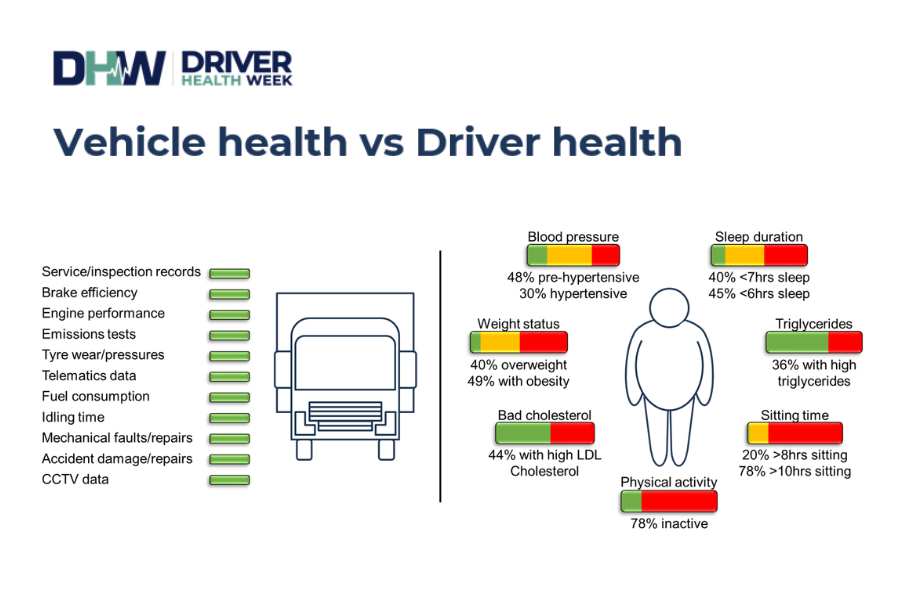
Driver Health Day – what the data tells fleet operators
Driver Health Day - key takeaways from this year's event. "Not knowing and understanding the health of a driver is no different to covering up your fuel or battery gauge and hoping to make it home today. You would never chance this – but this is exactly what we are doing with the health of our drivers."

Operation Tramline – tackling dangerous driving behaviours
Operation Tramline is a road safety initiative led by National Highways in partnership with police forces in England and Wales. Using HGV cabs, officers gain a higher vantage point to identify dangerous driver behaviours on the strategic road network. Will your drivers be identified?
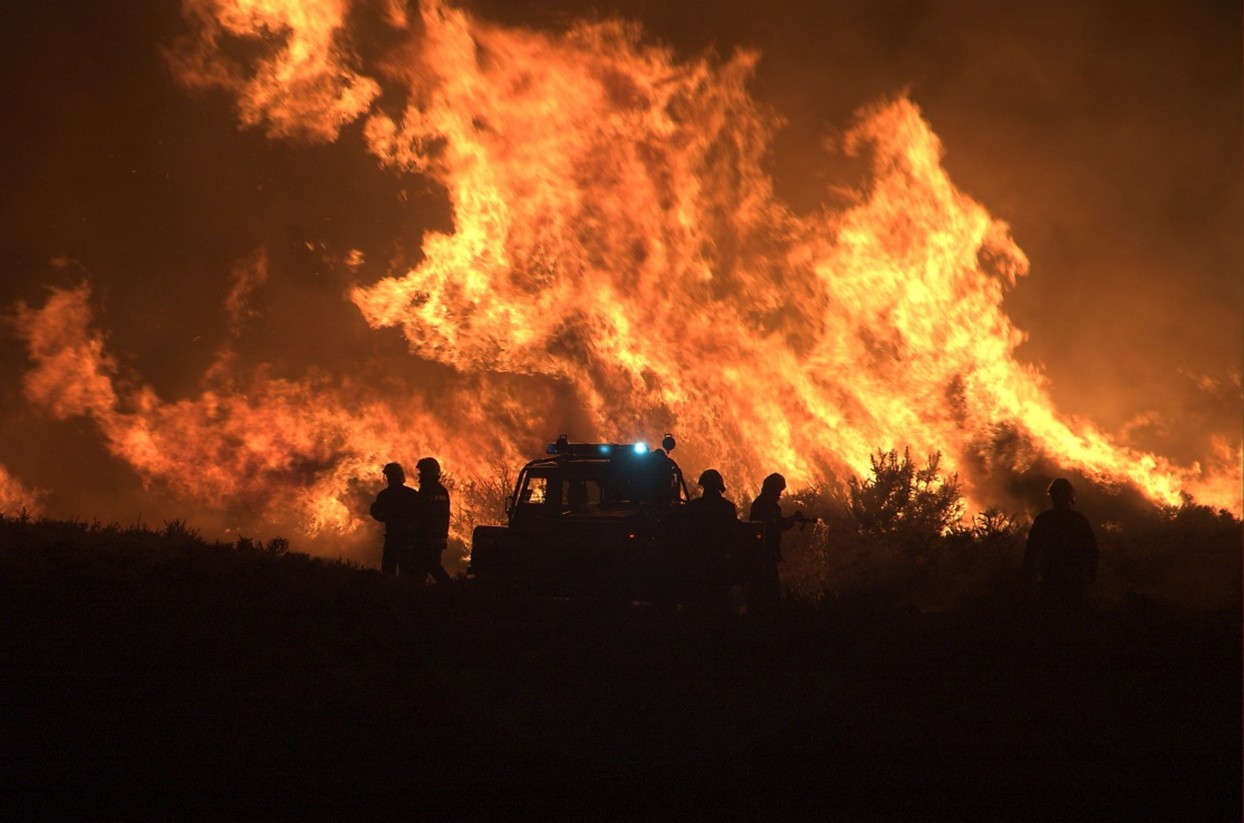
Reducing the risk of vehicle-caused wildfires
Reducing the risk of vehicle-caused wildfires. A briefing for van and truck drivers and their employers developed with support from National Fire Chiefs Council. Have you briefed your drivers on these safety critical areas? Is wildfire risk on your route risk assessment? Read our advice for employers.

Fatigue is not a driver problem – it’s a system problem
When fatigue is discussed in road safety, the advice is often simple: get more sleep. While well intentioned, this oversimplifies a complex issue. Fatigue is not solely the result of a poor night’s sleep, nor solely a driver responsibility. How should employers and managers review the systems they use?