Diabetes and driving for work
in association with

Diabetes is a major threat to any organisation with staff that drive for work.
4.6 million people in the UK have diabetes – it affects safety, workforce retention, productivity and service levels. 930strokes and 660 heart attacks are attributed to diabetes each week with one third of the population at increased risk of the condition or already living with diabetes.
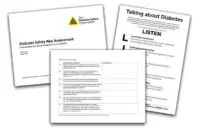
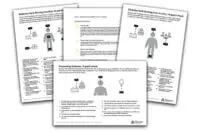
We have collaborated with The Diabetes Safety Organisation to create a diabetes toolkit that helps you understand how diabetes impacts any business with people who drive for work, what you should be doing about it to reduce risk and improve compliance, and a range of resources to help you on your journey to becoming a diabetes-safe employer.
Why you need this diabetes toolkit
Diabetes is a hidden epidemic
How diabetes can affect drivers
The risk to your business
“We have 6-8 diabetes incidents a week – and about 3 serious events a year
where someone has collapsed.”
Construction and logistics company
Diabetes is a safety issue
The short-term complications of diabetes, including hypoglycaemia, hyperglycaemia and certain comorbidities, can impact driver performance and judgement and in certain cases cause complete incapacitation of the driver. Half of all people with diabetes experience nerve damage to their feet, which affects pedal pressure and can create pedal confusion. Drivers with both diagnosed and undiagnosed nerve damage lost control three times more than other drivers in driving simulations.
Diabetes is a workforce retention issue
Around 38% of employees with diabetes aged 45-64 exit the workforce prematurely due to complications. This is 28 experienced and skilled employees in every 1,000. Employees will often give a different reason for the exit, such as heart disease but the heart disease could be the result of diabetes.
Diabetes is a productivity and service level issue
A third of people with diabetes in the general working population reported arriving late to work or leaving early due to non-severe hypos. 28% reported avoiding driving. This research raises concerns for what professional drivers might do after a non-severe hypo–whether they avoid driving (a productivity/service level issue) or whether they drive (a potential safety issue).
Diabetes is a moral obligation for employers
54% of survey respondents said they intentionally‘ ran their bloods high’, contrary to their doctor’s advice, to stay productive and/or protect against a hypo at work. This practice increases the likelihood of complications and early workforce exit. This practice is entirely preventable with the right support from employers.
Diabetes is a legal obligation for employers
Diabetes is a known and foreseeable risk in the workplace. Employers that do not put in place measures to identify and mitigate workplace diabetes risk are failing in their statutory duty of care. There are DVLA regulations related to driving with diabetes. Diabetes-safe measures which mitigate workplace diabetes risk are generally reasonable and practicable for any employer to implement. You can start with actioning the advice in our diabetes toolkit resources below.
The diabetes-safe dividend
On-road Safety
- Reduces risk of sudden fatigue, blurred vision and ‘hypos’
- Reduces collision risk for your drivers and other road users
Driver Retention
- Prevents early workforce exit especially those aged 45-64
- Helps attract new drivers to the sector
Productivity
- Preventing complications can yield 2-10 days per person with diabetes
- Reduces presenteeism
Employee Health
- Reduces diabetes prevalence and complications
- Reduces risk of 60 other conditions
Legal Compliance
- Ensures compliance with health and safety law and DVLA regs
- Protects against liability, fines and reputational damage