
Driving for Work: Mythbusters
52 common misconceptions – and the facts employers and drivers need to know
Myth 13: A compliant driver is a safe driver
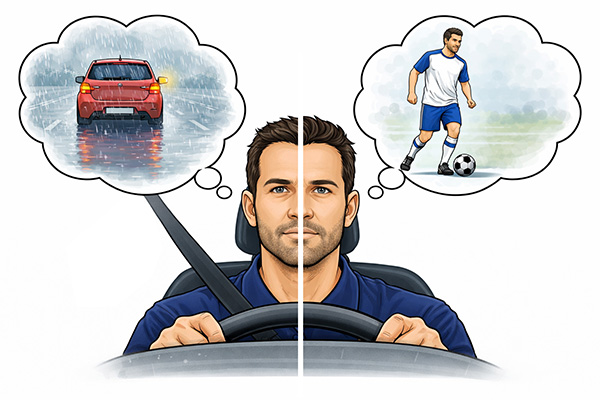
A driver can follow every rule in the book and still be at significant risk on the road. Wearing a seatbelt, holding a valid licence, keeping to the speed limit, and staying within hours rules all address the minimum legal standard, but safety goes much further. It relies on mindset: attitude, risk perception, hazard anticipation, decision-making under pressure, and how a driver behaves when no one is watching.
Even a fully compliant driver can be exposed to danger if they fail to read the environment or adapt to changing conditions. Sometimes the safest choice is to drive below the posted speed limit, increase following distance, or take a more defensive posture to avoid being drawn into someone else’s collision. Compliance alone doesn’t teach that level of judgement.
Organisations that focus entirely on ticking regulatory boxes without addressing driver behaviour, culture, and real-world risk will find that their incident rates do not improve. True safety culture means drivers making good decisions because they want to, not just because they have to – and because they understand that safety is a dynamic, human skill, not a checklist.
Driver takeaway:
Following the rules is the floor, not the ceiling.
Ask yourself honestly whether you’d drive the same way if your manager were watching – and if the answer is different, that’s where your risk is.
Manager takeaway:
Compliance checks tell you whether drivers are meeting the legal minimum.
To understand whether they’re actually safe, you need observation, coaching, telematics, and a culture where drivers feel safe raising concerns.
Tick-box audits alone will not move your incident rate.