Like to share relevant resources with your drivers?
SORT BY:
Did you know?
Drivers face fines up to £2,500, a ban from driving and 3 penalty points for driving a vehicle in a dangerous condition.
Wearing a seat belt is law and can result in fines of up to £500 and 3 penalty points if not wearing a seat belt when supposed to.
Airbags reduce...
Driving for Better Business, National Highways
Van Driver Toolkit – Vehicle Safety
Did you know?
Theft of vans has been increasing over the last 5 years. Over 8,000 vans are stolen each year.
Thefts from vans is also a massive problem with over 28,000 thefts per year.
Most thefts from a van occur where the driver parks at home.
Thefts of contents are often...
Driving for Better Business, National Highways
Van Driver Toolkit – Vehicle Security
Did you know?
Leaving the engine running while stationary, or ‘engine idling’ to defrost windows is an offence under Rule 123 of The Highway Code and authorities have the power to issue £20 fixed penalties for any contravention.
Rule 229 of the Highway Code says: “Before you set off...
Driving for Better Business, National Highways
Van Driver Toolkit – Winter Driving
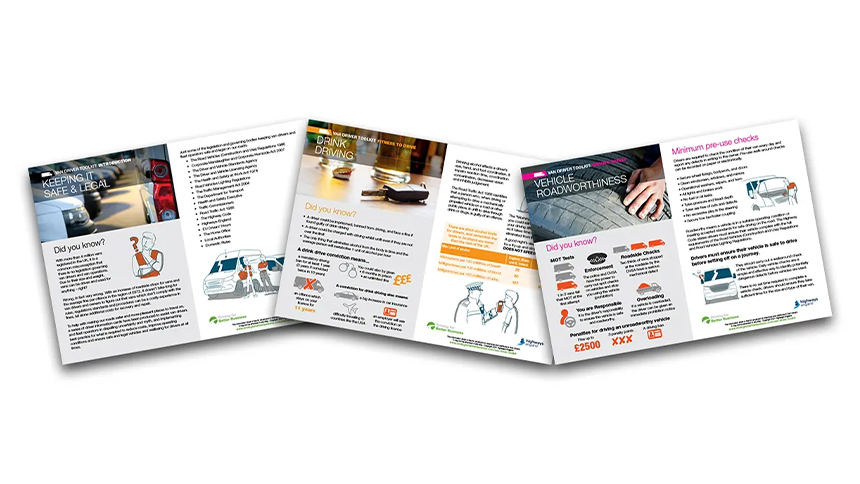
Working with the National Highways Commercial Vehicle Incident Prevention Team, we have produced a van driver handbook to assist van drivers and fleet operators in dispelling uncertainty and myth.
You can also share the online Van Driver Toolkit with your drivers, or you may prefer to share...
Driving for Better Business, National Highways
Van Driver Toolkit Handbook
This session was recorded at The Health & Safety Event 2021 and features Simon Turner - Campaign Manager, Driving for Better Business
Driving for Better Business
What companies get wrong managing driver safety
Are you a Safety Manager new to managing driver safety? This session will get you up to speed so you can get maximum value from the rest of our presentations. What are the key areas of managing driver and vehicle risk and who is responsible? This session was recorded at The Health & Safety Event...
Driving for Better Business
What exactly is work-related road risk?
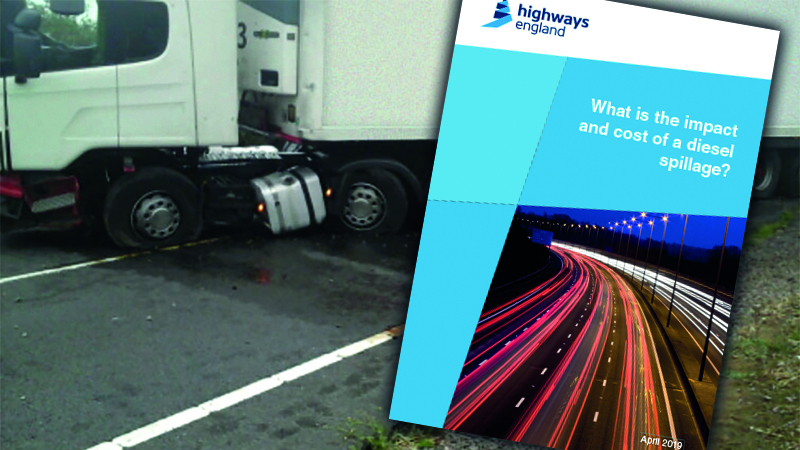
This document is for commercial vehicle drivers and fleet operators and aims to highlight the importance of preventing and minimising diesel spillages on the SRN.
National Highways
What is the impact and cost of a diesel spillage?
This session was recorded at The Health & Safety Event 2021 and features Simon Turner - Campaign Manager, Driving for Better Business
Driving for Better Business
What is work related road risk?
Drivers often face work-related time constraints and can find themselves speeding or demonstrating risky behaviour, leading to minor violations. These are often seen as being ‘acceptable’ or necessary in their role.
Quartix
Why accidents often happen below the legal speed limit
Essential knowledge for bikers on why car and van drivers often don't see them.
DocBike
Why cars pull out on bikes
Driving is one of the most complex tasks we do in everyday life. It requires attention, decision-making, situational awareness and physical coordination. Several factors can impact on our ability to perform at our best when we are driving. One of these factors is driver fatigue.
National Highways
Why Driving Fatigued Matters and What We Can Do About It
Drivers that don’t exhibit the correct behaviours can present a big risk, both in safety, reputation and financial terms but good drivers can be very effective brand ambassadors. It is imperative that you have a strong safety culture and that this is promoted throughout the whole company. This...
Driving for Better Business
Why Leadership matters for a safe driving culture
This guidance has been produced by the Health and Safety Executive (HSE) to help people involved in workplace transport reduce the chances of accidents happening. It is mainly aimed at managers but operators and their safety representatives will also find it useful.
Health and Safety Executive
Workplace transport safety: A brief guide (INDG199)
Grey fleet drivers represent one of the single most at-risk groups for businesses today. Why? Peter Golding, Managing Director of FleetCheck says it's because many businesses simply do not realise the level of responsibility they have.