The myth putting car and van drivers at risk

Alison Moriarty
Executive Director – Risk & Operations
Beverley Bell Consulting & Training
There are many myths that are widely believed such as, Vikings wore horned helmets, cold weather causes colds and there are no calories in cake if no one sees you eating it.
One of the big myths in our industry is that there is no legislation that covers the duties of van and car drivers.
When we run HGV fleets, we are very aware of the legislation and strive to be compliant. If we run mixed fleets, we might just consider the none ‘O’ Licence part of the fleet, but all too often our car and van drivers are only monitored on the other work they do. We look at these employees as electricians, road workers, salesmen or gas engineers, etc. rather than professional drivers.
We have to acknowledge that driving is a work activity and that it therefore must adhere to all existing Health and Safety legislation.
The Health and Safety at Work Act 1974 makes it very clear that employers have a duty of care to ensure the health, safety and wellbeing of all their employees and that they have safe systems of work in place.
It also puts a responsibility on employees, not to put anyone else at risk through their actions.
The fact is that driving is one of the highest risk work activities most of us will ever do, unless we are coal mining or deep-sea fishing!
If we do not show our drivers that we care about their safety, and if we seem to be an employer that isn’t interested, what happens on the road? If we don’t invest in them and upskill them, why should they care?
What we, as employers, need to do:
• We must assess the risk that our drivers pose to themselves and all other road users and put things in place to mitigate them.
• We must ensure that our drivers are well trained and understand the hazards on the roads.
• We must give our drivers a robust induction when they start so that they understand the standard of driving we expect from them.
• We must monitor our drivers’ performance on the road. This is primarily for safety but also company reputation.
• We must ensure that our drivers are legally allowed to drive on our behalf and conduct regular licence checks (quarterly is becoming industry standard).
• We must make sure that drivers are fit to drive and conduct proper health declarations, eyesight checks and regular drug and alcohol checks.
• We must ensure that drivers understand the importance of conducting a thorough walk round check to make sure that the vehicles are roadworthy.
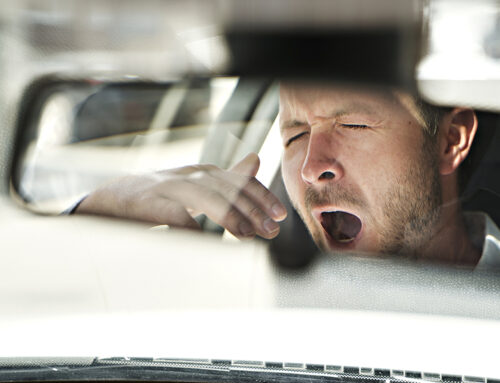
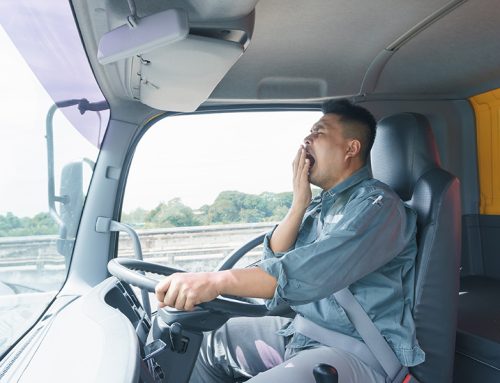
• We need to be sure that our drivers are not fatigued and that they understand how to spot the signs.
• All our drivers deserve to be safe, well trained and ambassadors of our businesses, whatever they drive.